Starvation Around the World
Food waste, the water hidden inside it, and why DaVinci students need to take the school's conservation value seriously.

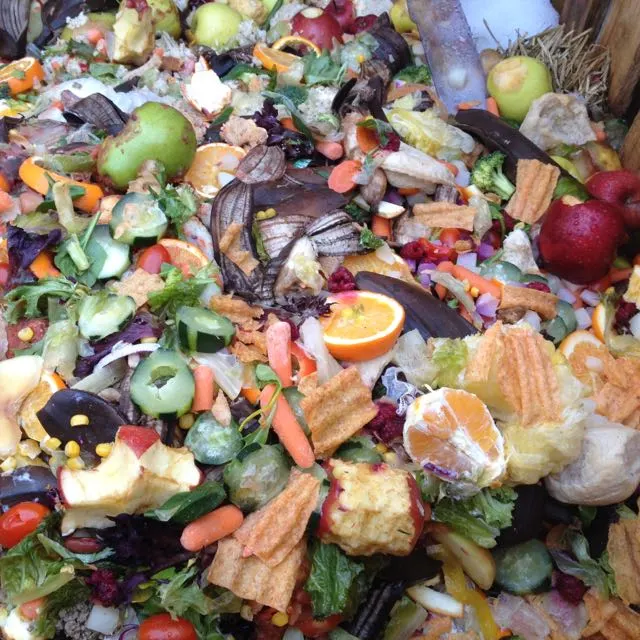
Millions of people around the world waste food, water and energy everyday without thinking twice. Every single day.
There are also many people dying of starvation everyday. When people waste food they are also wasting water and energy. A large portion of food waste is from restaurants and grocery stores.
People all over the world struggle with providing food for their families and themselves.
“Stealing from the table of those who are poor.” Pope Francis
According to WRI (World Resources Institute) there are 1.3 billion tons of food wasted every year and inside of that food there are approximately 45 trillion gallons of water. That means that a large percentage of food is water.
The number of people living hungry and thirsty rises daily.
According to World Water Assessment Program, meat production requires between eight and ten times more water than grain production. A pound of wheat flour contains about twelve percent water.
Not all food production contains equal parts of water. Fruits and vegetables contain more water than most foods. Whereas meat doesn’t contain as much water as some fruits and vegetables.
“For instance, the moisture in food lost immediately post-harvest or during open storage will likely evaporate.” Craig Hansen
We can all help in this crisis by taking a stand and reducing the amount of food we waste by making the portions of food we serve ourselves smaller, buying only what we will use and eating the food instead of throwing it away.
Americans are known for consumerism. That is a polite way to say we are hogs. We hog energy, water, food and have become a disposable nation.
Last year, DaVinci created a fifth value: CONSERVATION “We plan and prepare to preserve our resources through action and education”. Ms. Herland has a poster on her door that says “Insatiable is not sustainable.”
Our school has trash bins filled with both recyclable and non-recyclable items, even though we have recycling bins not but three feet away from the trash bins. Not only are we not recycling very much but we are putting non-recyclables in the recycling bins. This causes problems when recyclers collect the materials. If the proportion of garbage to recyclables is too high, the whole batch of recycling is rejected.
DaVinci’s students aren’t putting very much effort into recycling. Administrators provide recycling bins and trash bins, so why are trash and recyclables getting mixed together?
We all need to put more effort into CONSERVATION. Stop being lazy and start making a difference.
The research since
The link between waste and hunger drawn here has been modeled directly. A 2011 technical report from the University of Colorado (arXiv:1108.5768) used data from a large food bank and food rescue organization in north central Colorado and concluded that, with enough funding and people, a significant amount of food can be rescued from the waste stream and used to feed the hungry. A 2021 agent-based model calibrated with Italian household survey data (arXiv:2111.03430) found that a small group of environmentally committed consumers can pull a sizeable share of people toward wasting less, if they are willing to compromise with those around them.