Repetition in Generations
Do clones of others exist, or is it just coincidence?
Being observant, it’s easy to see what isn’t always in plain sight. It may just be more of a personal opinion, but even regular people can see obscure quirks throughout time and in human behavior. A great example of something that’s been observed is the seventh grade student personalities (and sometimes looks) as they relate to some of their upper classmates.
Listening to the way younger students talk or watching their mannerisms can lead a keen observer to see similarities shared with someone older than they. There could be many things to indicate why this occurs but it really becomes exceptional when personal interests are expressed. A seventh grader with an aptitude for algebra may be associated with the mathematics Sterling Scholar, a senior student. They have a common interest and this may give them a close resemblance.
Looks don’t always need to be the focal point because personalities can say everything. Not to name any specifics, but in recent years there was once an eighth grader who shared a passion for theater just as a senior attending the school that same year. The hair color differentiated but the passion they shared made them appear almost identical.
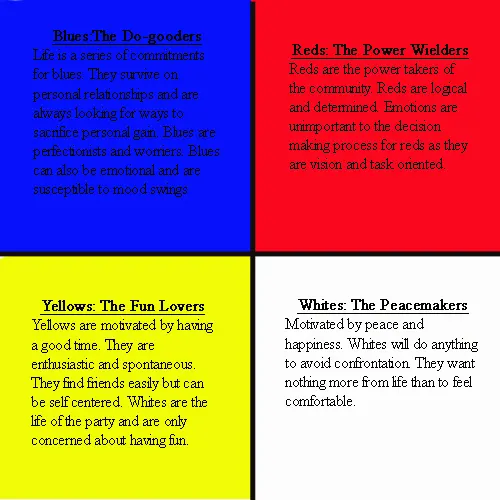
A way this could be explained scientifically, goes to the basic personality types configured by psychologists. The most commonly known personality types are the four colours; red, blue, yellow, and white. Two peoples’ personalities could easily match up when this simple method is applied. This could also reflect upon personal interests as a way to indicate why they have similarities. Two yellow personality types may be more involved in performing arts versus a pair of quieter blue types who may be better suited for an English class.
People may have student role models or idols who they strive to be like. There’s also the coincidental chance that they be alike and this gives a genuine sense to it. Instead of trying so hard to become like another they naturally are similar and in one complete, biased opinion, this is fantastic for observers.
DaVinci generations keep us family.
What researchers found
Whether similar personalities really find each other has been tested at scale, using a different system from the four colors. A 2025 network study (arXiv:2503.19704) looked at more than 288,000 messages on an anonymous chat service, where 940 users had shared their Myers-Briggs type. Most interactions, 89.3%, were between different types, often complementary ones, while 10.7% showed people of the same type gravitating together, especially introverted intuitive types. The authors conclude that personality shapes online behavior only subtly, mixing a taste for difference with a mild pull toward similar people.