Compost Program Coming Soon!
The Green Dragons conservation club prepares compost and recycling bins for the DaVinci cafeteria, hoping to keep two thousand pounds a year out of landfills.
Green Dragons has been DaVinci Academy’s conservation club for more than a year. Ms. Cheyenne Herland is the advisor and took up the responsibility of taking care of our school, community, and environment because she wants to improve the world for future generations and “really love[s] this planet.”
Last year, they worked on creating an idle-free zone (idling means cars with engines turned on for no reason), which led to our school being recognized by the Utah Society for Environmental Education with a platinum award, the highest one possible.
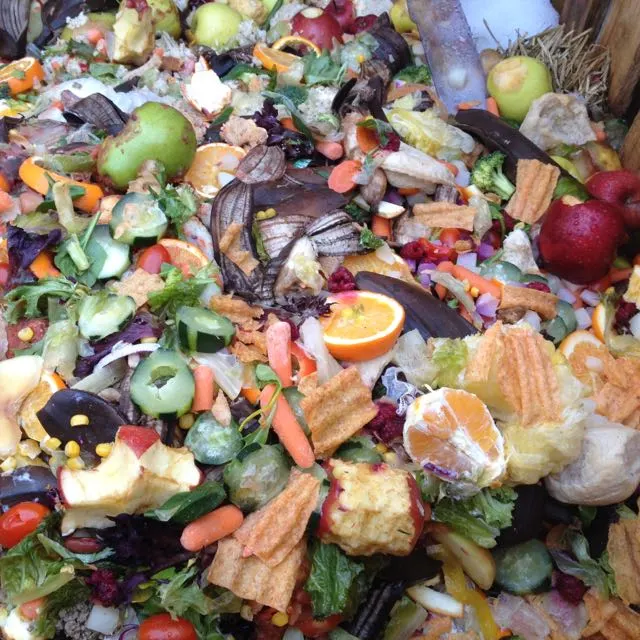
Soon, the club will improve that with the addition of a new program geared toward collection of compost, the breaking down of fruit and vegetables back into soil. This is being done because it can help the environment by saving an estimated two thousand pounds of stuff from landfills each year.
During lunch, next to the garbage bins, will also be recycle and compost bins. Students will have the option of sorting their leftover foods into the correct bins or (incorrectly) throwing it all into the garbage cans. Also, due to the size of these bins, compost will be limited to cafeteria food, but Ms. Herland is more than happy to help anyone set one up in their own home.
She is really hoping for student support and her club members are currently working on PowerPoint presentations for advisory class lessons. Also, if this program is abused, it will have to go defunct, so please learn that not everything is compostable and/or recyclable.
What researchers found
The sorting problem described here, food landing in the wrong bin, is one researchers take seriously. A 2021 paper (arXiv:2101.05960) notes that when recyclable or compostable materials end up in landfills they release potent greenhouse gases such as methane, and it presents DeepWaste, a phone app that sorts items into trash, recycling and compost; its best model reached an average precision of 0.881 on test images. A 2026 paper that builds a simple model of the composting process (arXiv:2606.24556) adds that composting offers advantages over landfilling and incineration by reducing greenhouse gas emissions, enriching soil and cutting landfill waste.